About Reiki
What is Reiki?
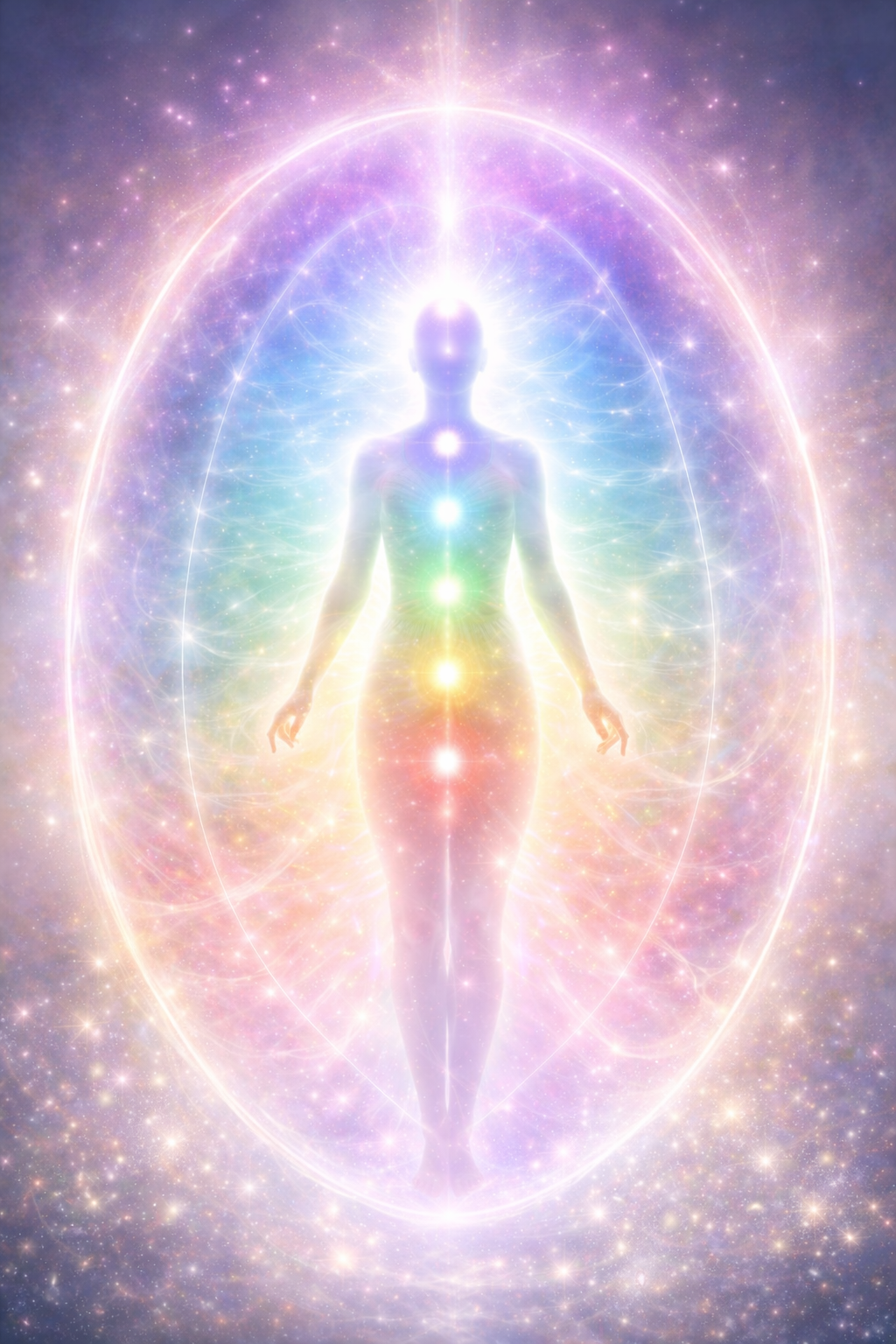
Reiki is an energy healing practice that supports the body’s natural ability to restore balance and well being. It does this by working with the human energy field, releasing energetic blockages and balancing the chakras.
Matter is influenced by energy. When the body’s electromagnetic field becomes misaligned, physical imbalance may follow, sometimes presenting as illness.
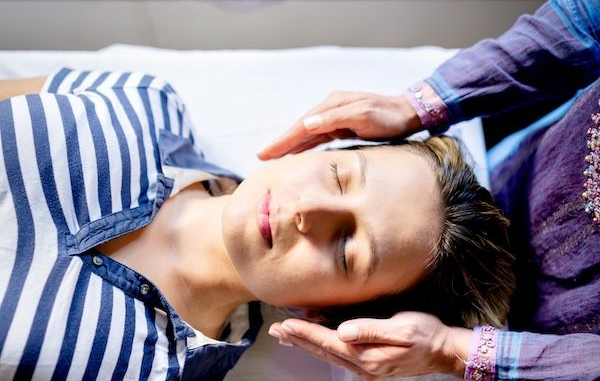
In a typical session, Reiki practitioners lightly placing hands on or hover above the recipient, acting as energy conduit.
Reiki helps restore energetic alignment, encouraging a positive healing effect throughout the body.
Benefits of Reiki
- Reduced stress
- Deep relaxation
- Nervous system balance
- Natural healing support
- Eased physical tension
- Emotional calm
- Energetic alignment
- Improved stress resilience
- Inner peace
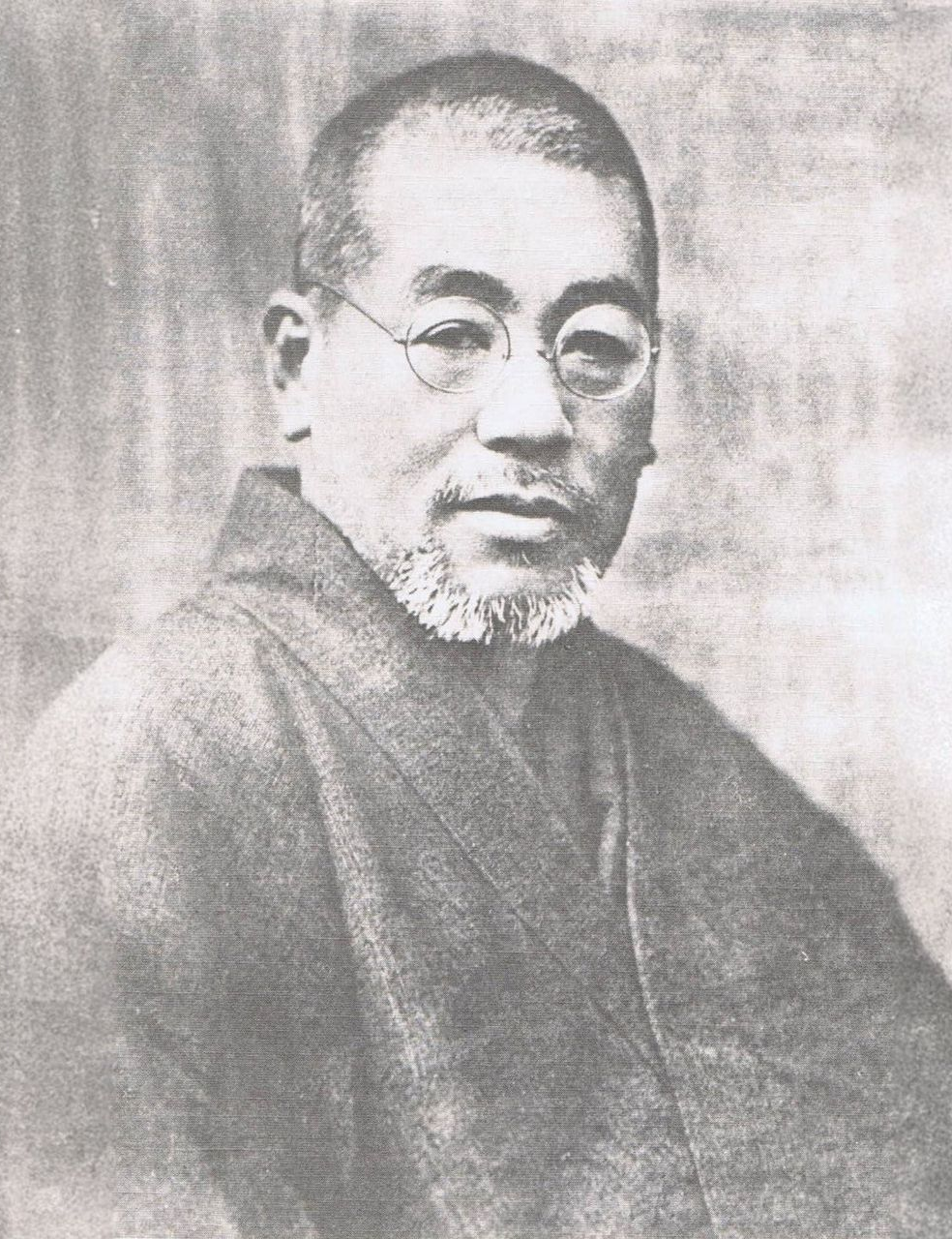
Mikao Usui, a Japanese spiritual seeker who developed the practice of Reiki. The word, "Reiki" is the combination of the Japanese words rei (universal) and ki (life force energy).
The Usui Reiki Story
Usui Reiki is considered the foundation of Reiki practices. It was founded in the early 20th century by Mikao Usui, a Japanese spiritual seeker devoted to understanding healing, balance, and inner harmony. After years of study and spiritual practice, Usui experienced a profound awakening during a retreat on Mount Kurama in Japan. Through this experience, he realized the ability to channel universal life energy for healing and developed Reiki as a gentle, hands-on practice supporting physical, emotional, and spiritual well-being.
Usui taught Reiki to several students, including Chujiro Hayashi, who later refined the system and opened a Reiki clinic in Japan. One of Hayashi’s students was Hawayo Takata, a Japanese-American woman who traveled to Japan seeking healing. After experiencing remarkable improvement in her health, she trained extensively and became a Reiki Master.
Takata brought Reiki to Hawaii in the late 1930s and later introduced it to the mainland United States. Through her dedication to teaching and sharing Reiki, the practice spread throughout the Western world.
Today, Usui Reiki continues to be practiced globally as a gentle, non-invasive path toward balance, relaxation, and holistic well-being.